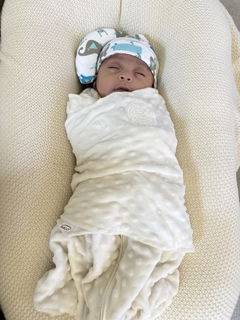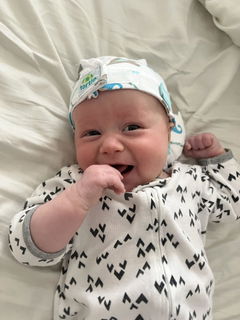


Meet the Tortle Air™ Turtle Trot:
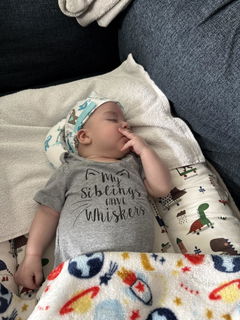
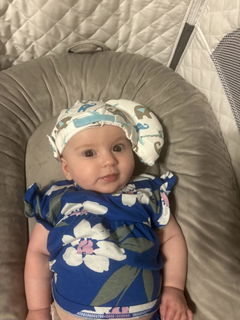
The Tortle Air™ Turtle Trot is an FDA-cleared repositioning therapy device designed to gently help prevent and correct flat spots and support healthy head positioning in babies. It redirects your baby’s head away from areas of pressure, encourages movement toward their less-preferred side, and provides passive stretching support for tight neck muscles associated with torticollis.
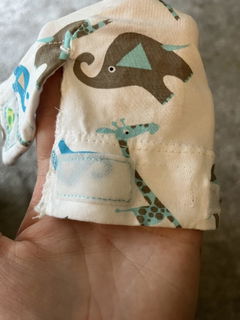
Designed to grow with your baby, Tortle features adjustable side straps, a front-opening design, a contoured support roll, and silicone grip dots to help keep it comfortably in place. Tortle is intended for supervised use while your baby is awake or sleeping, such as when your baby is resting in a crib, car seat, stroller, or bouncer. Your baby may wear Tortle while sleeping only when a parent or caregiver is awake and directly supervising.
The Tortle Air™ uses a contoured support roll to gently guide your baby’s head away from areas of pressure and encourage healthy repositioning.
When your baby’s head rests on a firm surface, the support roll helps discourage consistently resting in the same position. As your baby naturally moves their head, pressure is redistributed away from areas that may be becoming flat, giving the head an opportunity to develop a more rounded shape over time.
Tortle Air can also encourage your baby to look toward their less-preferred side and provide gentle, passive stretching support for tightened neck muscles associated with torticollis.
Tortle Air™ is designed for supervised use while your baby is awake or sleeping, especially when your baby’s head is resting against a firm surface and repositioning support is needed.
Tortle can be used when your baby is in a:
- Crib
- Car seat
- Stroller
- Bouncer
customerservice@tortle.com | 1-844-483-5315
Help for achieving the perfect head shape for your baby is always available.
Approved for wearing while caretaker is AWAKE and has clear LINE-SIGHT.
How to use the Tortle Air with:
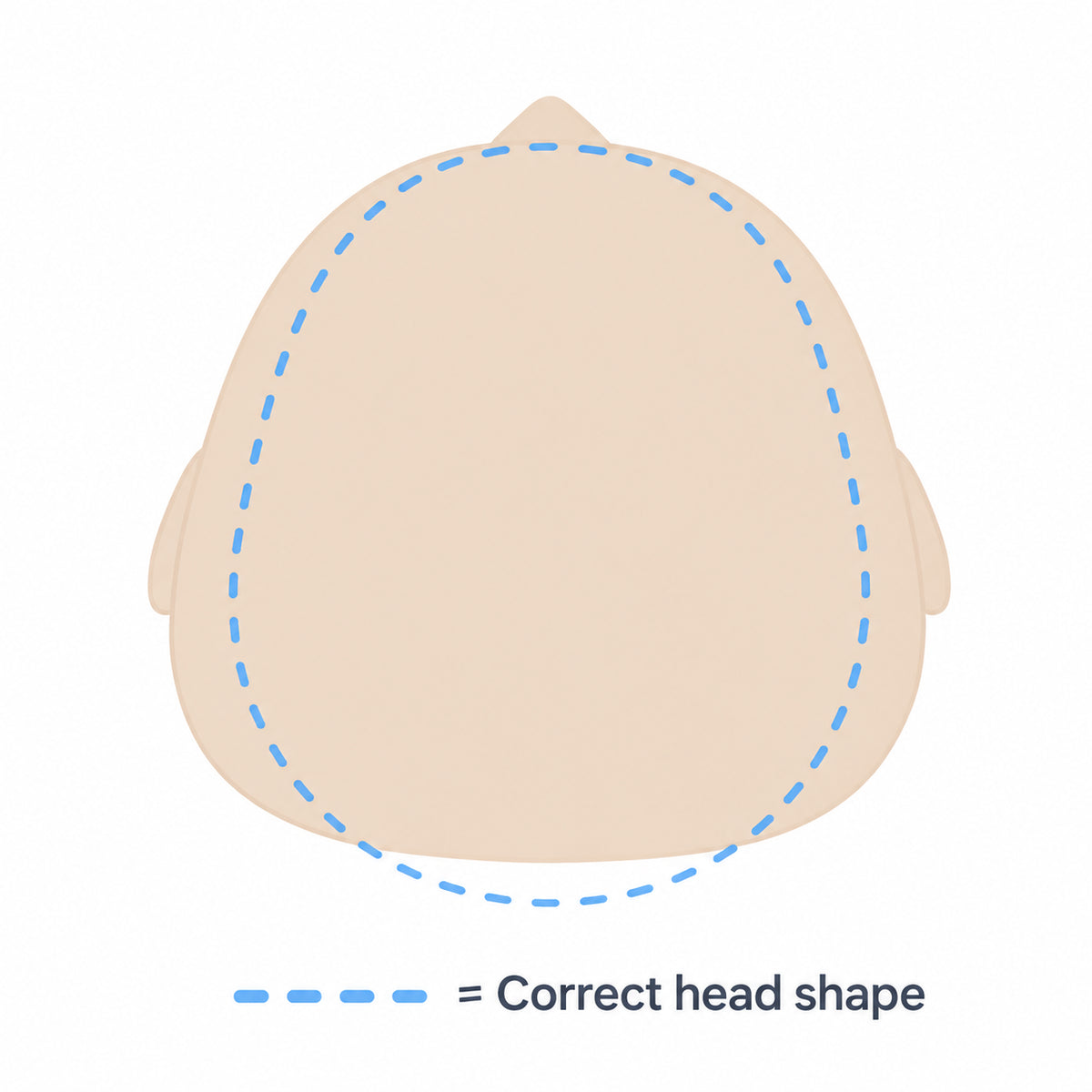
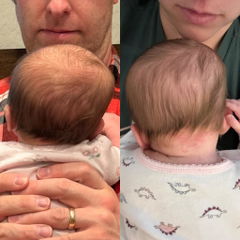
Brachycephaly occurs when the back of a baby’s head becomes flattened, often from consistently resting on the back of the head.
If the flat spot is at the back of the head, place the roll over that area and then allow your baby to turn their head first to one side, then the other.
Do this each time baby is placed on a flat surface, such as a crib, car seat, or stroller.
Tortle Tip: To remember which side to turn baby's head when the roll is on the back of the head, simply wear a bracelet, or hair tie, and switch it to the opposite wrist after repositioning.
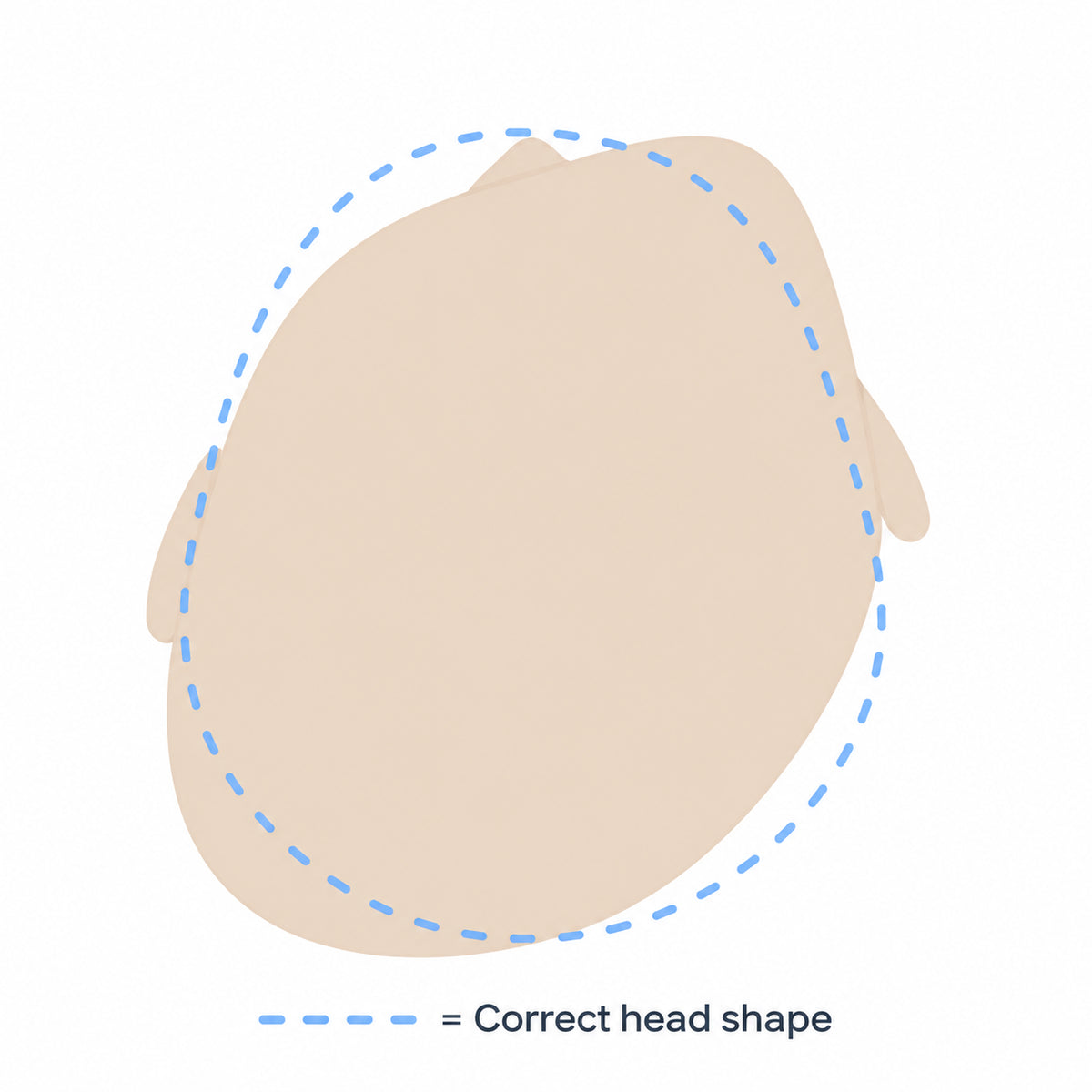
Plagiocephaly is a flat spot that develops on the back of a baby’s head between the back of their head and their ear on one side. Often caused by consistently resting in the same position.
Place the Tortle Air on your baby’s head so the support roll lies over the middle of the flat spot. Be sure to pull the beanie down, at its sides, to cover most of your baby’s ears.
Position baby to face the less-preferred side during use.
With plagiocephaly, you will notice the baby looks one way most of the time. With the Tortle Air secured and the roll placed correctly over the flat spot, your baby should be looking to the other, less-favored side when laying them down in a crib or carrier, such as a car seat or stroller.
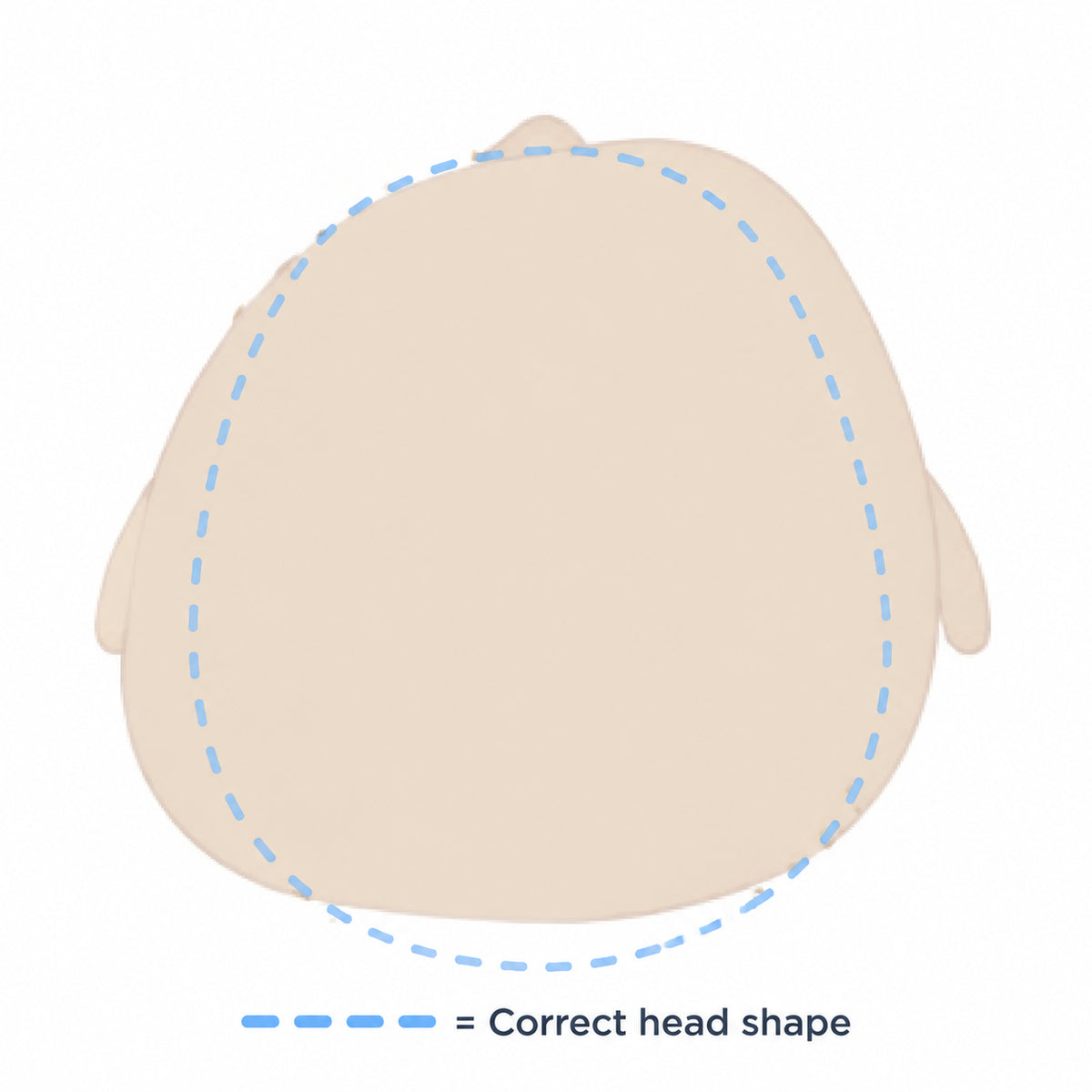
Torticollis occurs when one or more neck muscles are tight or shortened, which can cause a baby to consistently prefer looking in one direction.
The Tortle Air is designed to provide passive stretching of baby’s shortened, or tightened, neck muscle(s).
Place the support roll on the side of the tight neck muscles, about 1” behind the ear. Not on the flat spot, treat Torticollis and the flat spot will correct on its own.
*If your baby has Torticollis, it is recommended to involve your pediatric PT/OT, as the therapy is slightly more complicated and can involve eyesight imbalance.


Trusted by Experts: FDA-Cleared & Pediatrician-Designed

Looking for a smaller size?
Shop now

Safe Sleep Reminder: Back Is Best
Frequently asked questions
Is it normal for my baby to be fussy when first using the Tortle?
Your little one may be a bit fussy at first, as this positioning gently stretches the neck muscles. That’s completely normal, and it may take a few days for them to adjust. You’re doing great by helping them through this!
When should my baby wear the Tortle?
The Tortle should be worn every time baby is put down on a firm surface such as the car seat, crib, bouncer etc. Whether they are asleep or not. It helps if you put some toys in the direction you want them to look!
They should be placed in an area you can see the baby, you do not need to be right
there. You can work and walk around etc.. Once baby is ready to be lifted up and get their playtime, feeding, changing etc.. remove the Tortle. Once you are ready to put them down again, put the hat on and position baby correctly.
-
We recommend starting your therapy after the first main feed of the day and continue until you or the caregiver goes to bed at night. The Tortle should only be worn during supervised sleep, this is because The American Academy of Pediatrics has studied safety during sleep times and found that the babies can get overheated at night wearing any type of headgear and getting hot is not safe for the baby.
Can my baby use this even if they are older than 6 months?
We do not recommend the Tortle Beanie for babies over 6 months of age, as the skull becomes less malleable with age, which may limit the product’s effectiveness in helping improve infants flat spot.
What if my baby has Torticollis and a flat spot?
If baby has both torticollis and a flat spot, we would recommend addressing the torticollis first and working toward getting baby’s head into a more vertical, midline position. As their head position improves, they should spend less time resting directly on the flat area, which can help support improvement of the flat spot as well. For torticollis, the support roll should be placed on the side of the tight neck muscles rather than directly on the flat spot, about 1” behind the ear. Because torticollis can be a little more complicated and may involve an eyesight imbalance, we also recommend working with your pediatric PT/OT. They can help determine the best positioning and exercises for him.
Can my baby wear the Tortle during unsupervised sleep?
Following AAP guidelines, we recommend removing the beanie during any unsupervised sleep, baby can wear it until the caregiver is ready for bed. Removing the beanie at night also gives your baby’s head and neck a chance to rest, so they’re not doing therapy all the time. Balance is key, and this approach supports both their development and comfort.