La línea de reposicionamiento de Tortle
Probado por niños, aprobado por doctores. Descubra los beneficios de reposicionamiento de nuestra comunidad de productos Tortle.


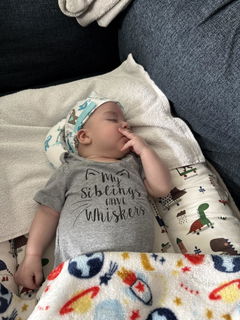
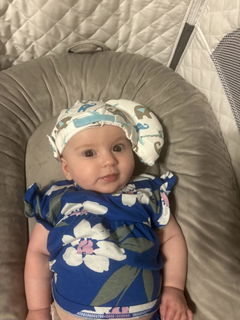
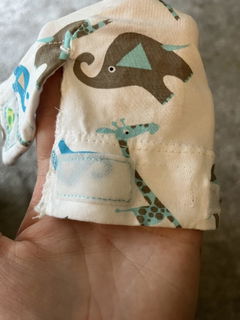
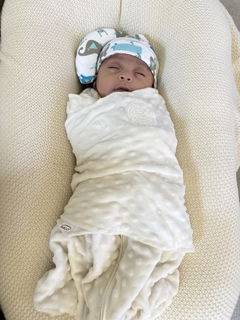
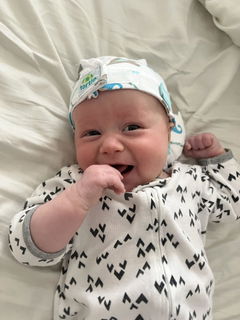
Para su bebé de 2 a 4 meses, el Tortle Air Talla M - Turtle Trot, de una sola capa, ofrece mayor transpirabilidad y un rollo de posicionamiento único para ayudar a evitar el desarrollo de puntos planos.


Para su bebé de 1 o 2 meses con una circunferencia de la cabeza inferior a 14", el Tortle Air Lucky Elephant PEQUEÑO presenta una construcción de una sola capa para mayor transpirabilidad y una función de posicionamiento única para ayudar a evitar el desarrollo de puntos planos.
HSA / FSA with TrueMed
Make sure to apply at checkout

Los gorros correctivos Tortle siguen siendo dispositivos médicos de Clase I aprobados por la FDA.
La FDA recientemente aconsejó a los padres NO usar almohadas para moldear la cabeza, mientras que los gorros Tortle siguen siendo seguros y eficaces de usar.

Consejos de seguridad de los productos Tortle
No deje puesto el gorro Tortle durante la noche si el bebé no está supervisado (o si los padres o cuidadores están durmiendo).
Quítele el gorro Tortle cada tres o cuatro horas, cuando el bebé se despierte, y cuando lo levante para jugar, alimentarlo y cambiarle los pañales.
Vuelva a colocar el gorro Tortle con el enrollado en la posición correcta (ver más abajo) cuando coloque al bebé en un portabebés o cuna.
Asegúrese de que el gorro quede ajustado, pero no demasiado apretado.
Asegúrese de que el gorro sea de la talla correcta para su bebé.
Instrucciones y cuidado del gorro Tortle
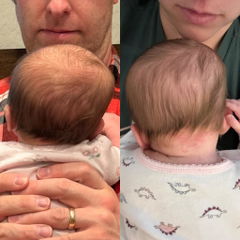
Si la zona plana de la cabeza de su bebé está en la parte posterior.
Coloque el Tortle de modo que el rodillo de soporte quede justo en la parte posterior de la cabeza. Cierre la abertura frontal con el gorro bajado sobre las orejas de su bebé. Cierre las pestañas ajustables para un ajuste ceñido. Ahora, la cabeza de su bebé deberá colocarse de lado. Alterne el lado hacia el que gira la cabeza de su bebé cada vez que use el gorro.
Si su bebé tiene una zona plana más hacia un lado.
Coloque el gorro Tortle en la cabeza de su bebé con el rodillo de soporte en la zona plana. Esto probablemente se colocará a medio camino entre la oreja de su bebé y la parte posterior de su cabeza. Cierre la abertura frontal y baje el gorro sobre las orejas. Luego, ajuste las correas ajustables para un ajuste ceñido.
Cuidado del producto
Lavar a mano o a máquina con agua fría en ciclo suave. Secar al aire.