Die Schildkröten-Umpositionierungsaufstellung
Von Kindern getestet, von Ärzten empfohlen. Entdecken Sie die Vorteile unserer Tortle-Produktfamilie für die Repositionierung.


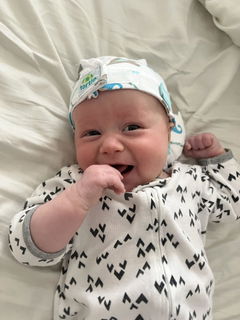
Für Ihr Baby im Alter von 2-4 Monaten ist das MEDIUM Tortle Air – Turtle Trot mit einer einlagigen Konstruktion für zusätzliche Atmungsaktivität und einer einzigartigen Positionierungshilfe ausgestattet, um die Entwicklung von flachen Stellen zu vermeiden.


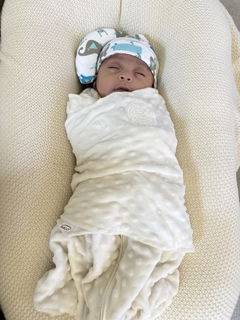
Für Ihr 1 oder 2 Monate altes Baby mit einem Kopfumfang unter 35,5 cm verfügt der Tortle Air Lucky Elephant in Größe S über eine einlagige Konstruktion für zusätzliche Atmungsaktivität und eine einzigartige Positionierungsrolle, um die Entstehung von flachen Stellen zu vermeiden.
HSA / FSA with TrueMed
Make sure to apply at checkout

Tortle Corrective Beanies bleiben FDA-zertifizierte Klasse-I-Medizinprodukte
Die FDA riet Eltern kürzlich, KEINE Kopfformungskissen zu verwenden, während Tortle Beanies weiterhin sicher und effektiv sind!

Tortle-Produktsicherheitstipps
Lassen Sie die Tortle-Mütze nicht über Nacht auf, wenn das Baby unbeaufsichtigt ist (oder wenn Eltern oder Betreuer schlafen).
Nehmen Sie die Tortle-Mütze alle drei bis vier Stunden ab, wenn das Baby aufwacht und Sie es zum Spielen, Füttern und Wickeln hochnehmen.
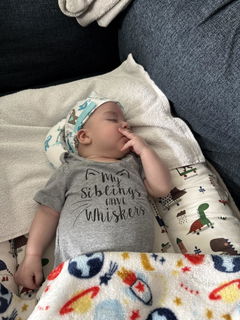
Setzen Sie die Tortle-Mütze wieder mit der Rolle in der richtigen Position auf (siehe unten), wenn Sie das Baby in eine Trage oder ein Kinderbett legen.
Stellen Sie sicher, dass die Mütze eng, aber nicht zu fest sitzt.
Stellen Sie sicher, dass die Mütze die richtige Größe für Ihr Baby hat.
Tortle Beanie Anweisungen & Pflege
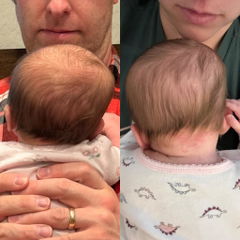
Wenn die flache Stelle am Hinterkopf Ihres Babys liegt.
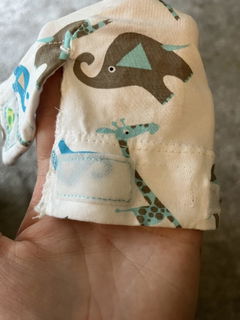
Legen Sie das Tortle so an, dass die Stützrolle genau am Hinterkopf liegt. Schließen Sie die vordere Öffnung, indem Sie die Mütze über die Ohren Ihres Babys ziehen. Schließen Sie die verstellbaren Laschen für einen festen Sitz. Der Kopf Ihres Babys muss nun zur Seite positioniert werden. Wechseln Sie jedes Mal die Seite, auf die Sie den Kopf Ihres Babys drehen, wenn Sie die Mütze verwenden.
Wenn Ihr Baby eine flache Stelle eher auf einer Seite hat.
Setzen Sie die Tortle-Mütze auf den Kopf Ihres Babys, wobei die Stützrolle auf der abgeflachten Stelle liegt. Dies wird wahrscheinlich auf halbem Weg zwischen dem Ohr und dem Hinterkopf Ihres Babys liegen. Schließen Sie die vordere Öffnung und ziehen Sie die Mütze über die Ohren. Ziehen Sie dann die verstellbaren Riemen für einen festen Sitz fest.
Produktpflege
Hand- oder Maschinenwäsche mit kaltem Wasser im Schonwaschgang. An der Luft trocknen.