The Tortle Repositioning Lineup
Kid-tested, doctor-approved. Discover the repositioning benefits of our Tortle community of products.


For your baby under 6 months,
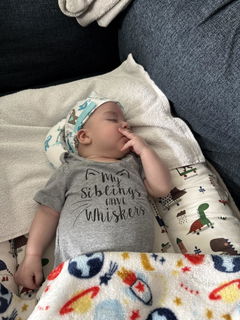
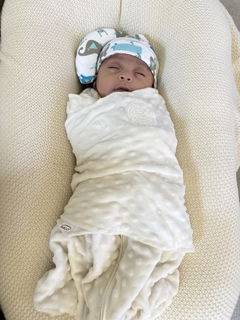
The Tortle Air™ Turtle Trot is an FDA-cleared repositioning therapy device designed to gently help prevent and correct flat spots and support healthy head positioning in babies. It redirects your baby’s head away from areas of pressure, encourages movement toward their less-preferred side, and provides passive stretching support for tight neck muscles associated with torticollis.


Specifically designed for 1- or 2-month-old baby with a head circumference under 14"
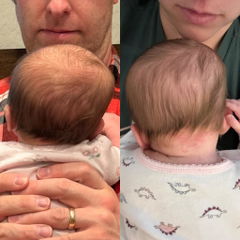
The Tortle Air Lucky Elephant offers the most advanced positioning aid for the management and prevention of Flat Head Syndrome at our smallest size. By actively deflecting your baby's head to different areas while they’re lying down on a flat surface, the Tortle Air gently re-shapes their head, preventing and correcting Flat Head Syndrome.
HSA / FSA with TrueMed
Make sure to apply at checkout

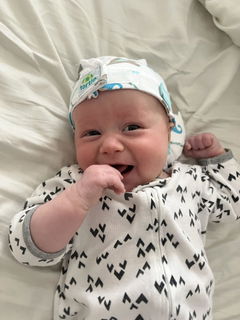
Tortle Corrective Beanies FDA-Cleared Class-I Medical Device
The FDA recently advised parents NOT to use head shaping pillows while Tortle Beanies remain safe & effective to use!

Tortle Product Safety Tips
Do not leave the Tortle beanie on overnight when the baby is unsupervised (or when parents or caretakers are sleeping).
Remove the Tortle beanie every three to four hours, when the baby wakes, and you pick them up to play, feed, and change them.
Put the Tortle beanie back on with the roll in the correct position (see below) when you put the baby down into a carrier or crib.
Make sure the beanie is snug, but not too tight.
Make sure the beanie is the right size for your baby.
Tortle Beanie Instructions & Care
If your baby's flat spot is on the back of their head.
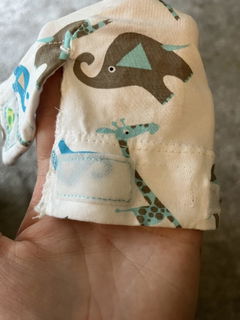
Place the Tortle so that the support roll is right on the back of the head. Close the front opening with the beanie brought down over your baby’s ears. Close the adjustable tabs for a snug fit. Your baby’s head will now need to be positioned to the side. Alternate the side you turn your baby’s head each time to use the beanie.
If your baby has a flat spot more to one side.
Place the Tortle beanie on your baby’s head with the support roll on the flat spot. This will probably be positioned midway between your baby’s ear and the back of your baby’s head. Close the front opening and pull the beanie down over the ears. Then tighten the adjustable straps for a snug fit.
Product Care
Hand or machine wash with cold water on the gentle cycle. Air dry.